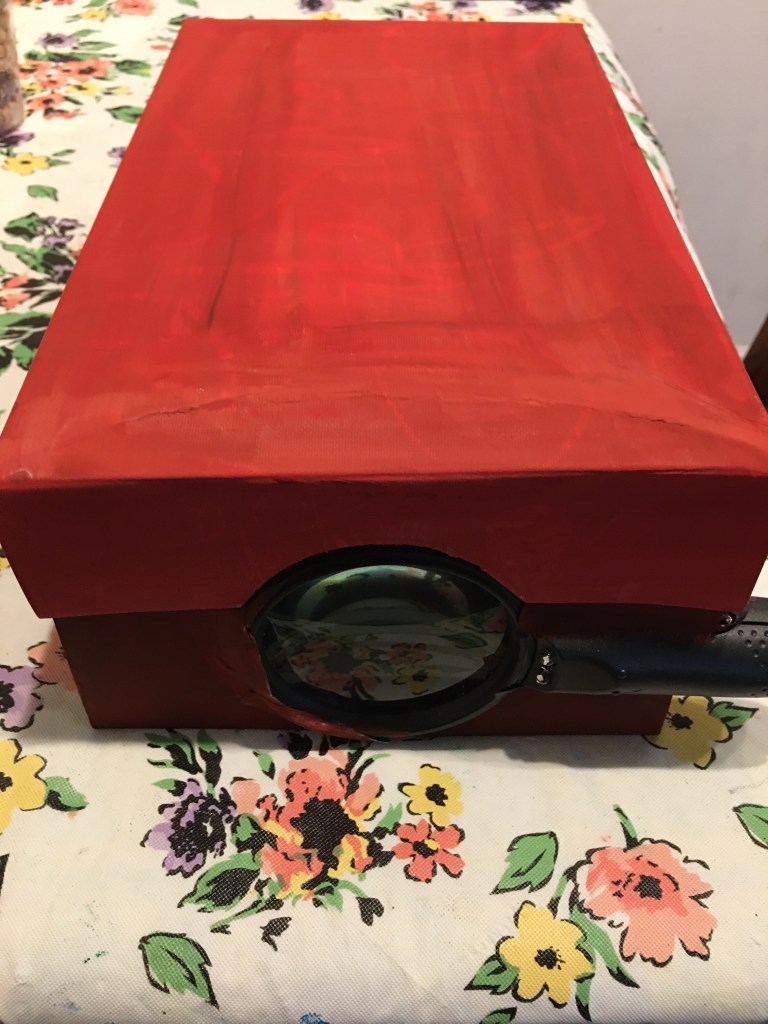
Summer is here and so is the time to spend some time on our favorite watches. This got us into an idea of making a DIY projector from a shoebox. The main thought behind doing this was to make bedtime more fun, maybe with a bedtime story or a fun watch. The project can easily be done using a smartphone, shoebox, magnifying glass and some office supplies.
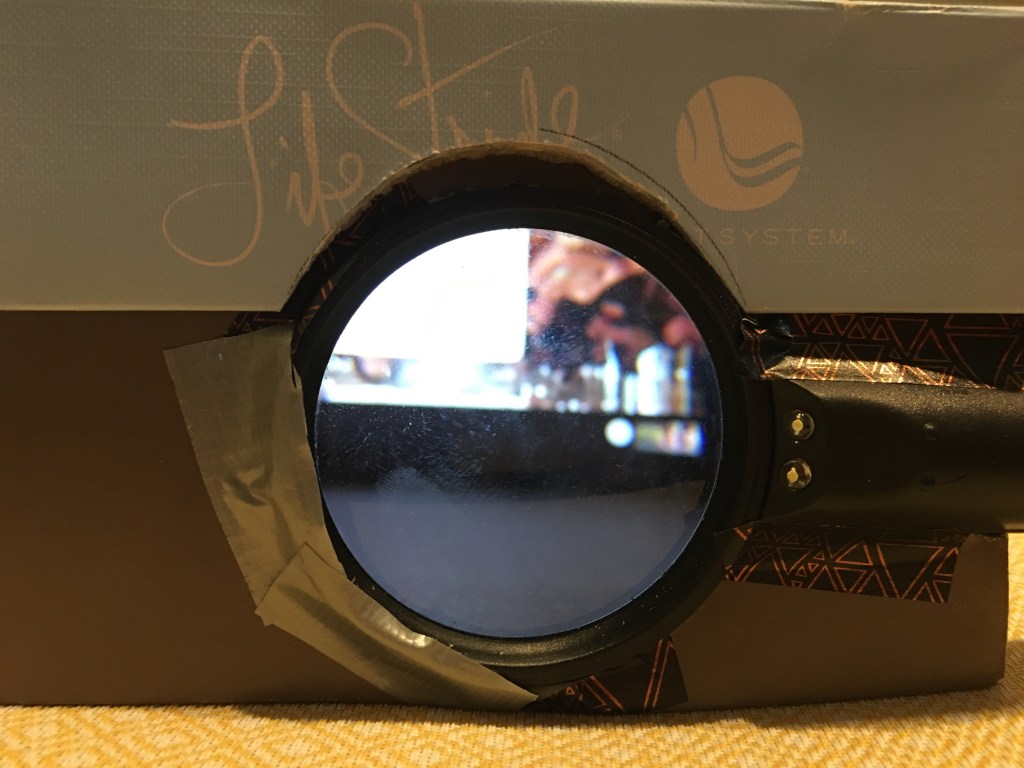
1. Take a shoe box and place your magnifying glass at the center and use a pencil to trace around it. You can use an xacto knife and a compass to cut off an exact hole. Your magnifying glass will fit perfectly if properly executed.
2. Use tape and glue gun to seal the areas around the magnifying glass.
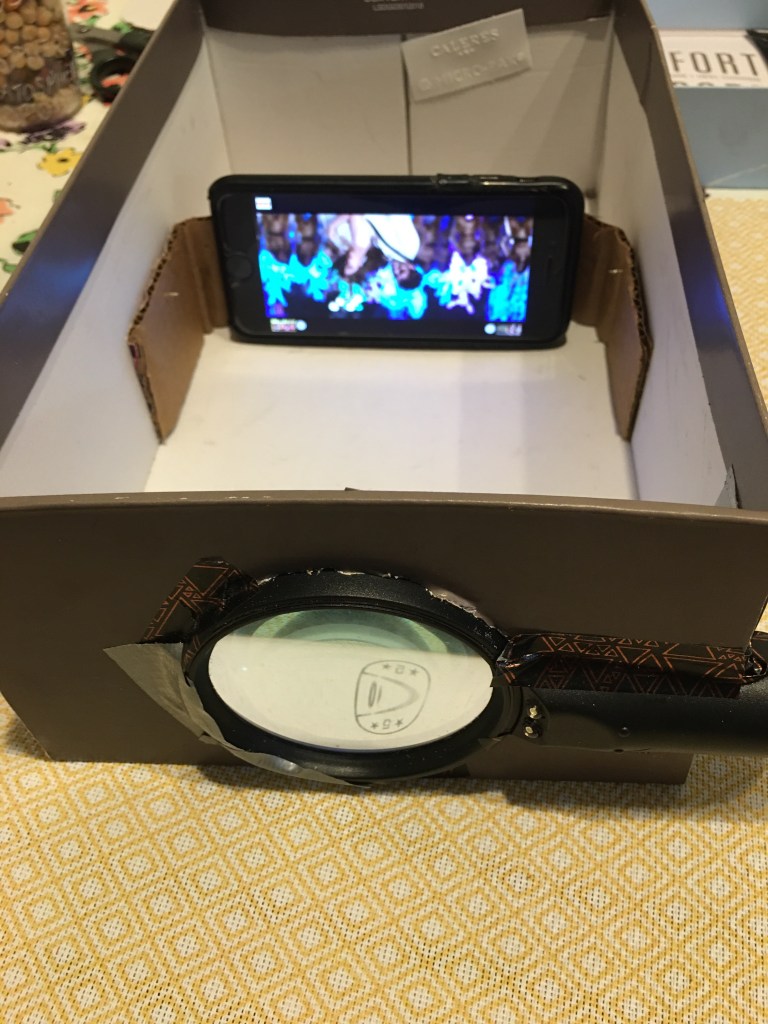
3. Now, for the stand that will hold your phone –we will use a cardboard. Measure the cardboard and cut it so that it fits inside of the shoebox. Use pushpins to hold it.
4. Then mount your phone at the center of your stand.
5. Set your phone to the highest brightness then lock your screen. When you play a video, the screen should be upside down. The reason behind this according to science is that the lens will invert the image that will be projected on the wall.
6. Now, we’re almost done – move your phone to the right distance until you gain the exact focus and the image is clear to watch. Remember to keep the room dark.
Optional: Color the inside of the box with black and decorate it the way you want it.
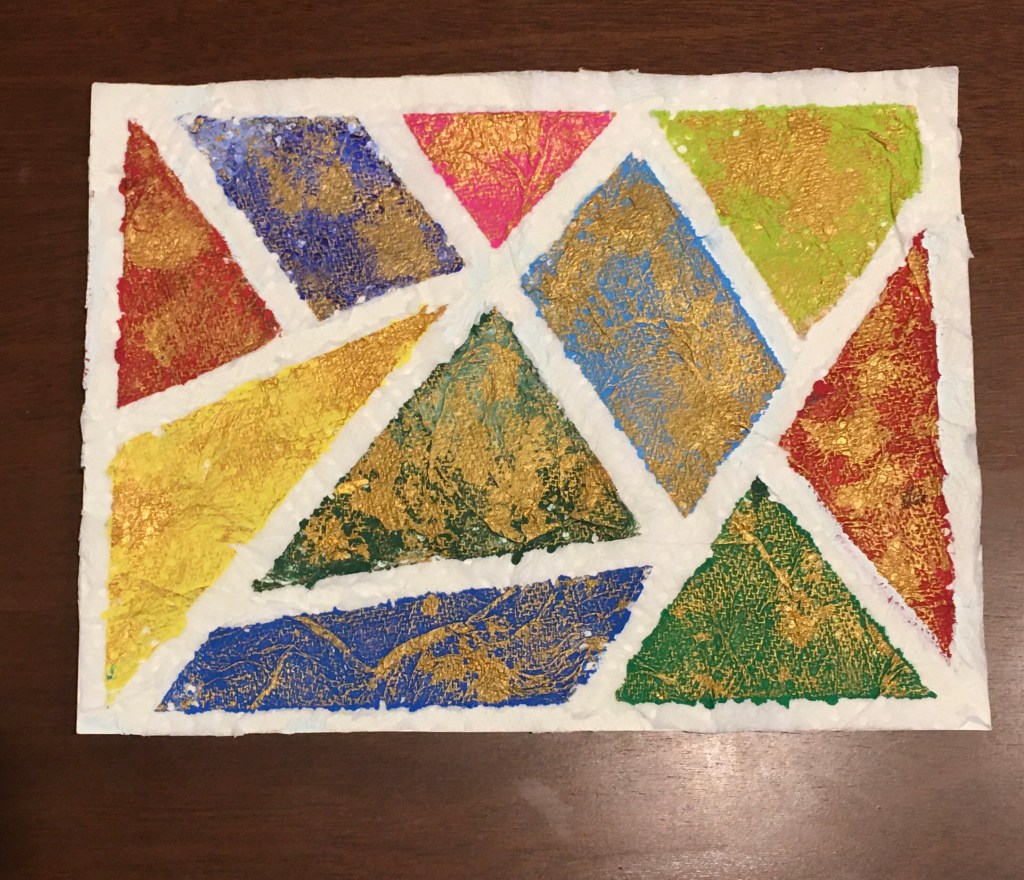
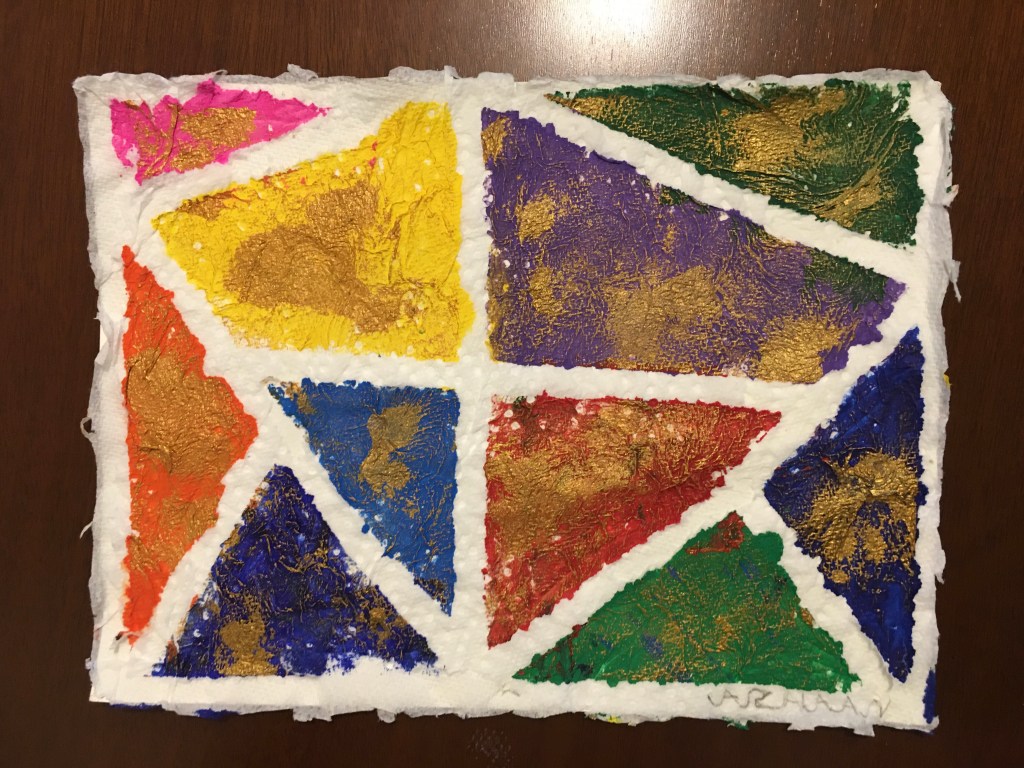
When ideas run short of what to do next with my little one, painting goes a long a way. This time we tried to do a very simple abstract painting on paper giving some texture to it using tissue paper. It is one simple activity that can be tried with kids of any age, and super fun too! All it requires a little bit of pasting, masking, coloring and some rolling; and your child is ready with his own masterpiece.
Supplies:
Art paper Tissue paper Tacky glue (or similar) Acrylic paint Water Sponge roller Scissors Masking tape
Directions:
1. Start by taking a tissue paper. It should be larger than the size of your art paper. Scrunch it up. Open it up.
2. Now spread the glue on art paper and press the tissue on the paper. Try creating ridges to give a textured effect. Trim the extra tissue paper on the sides if any.
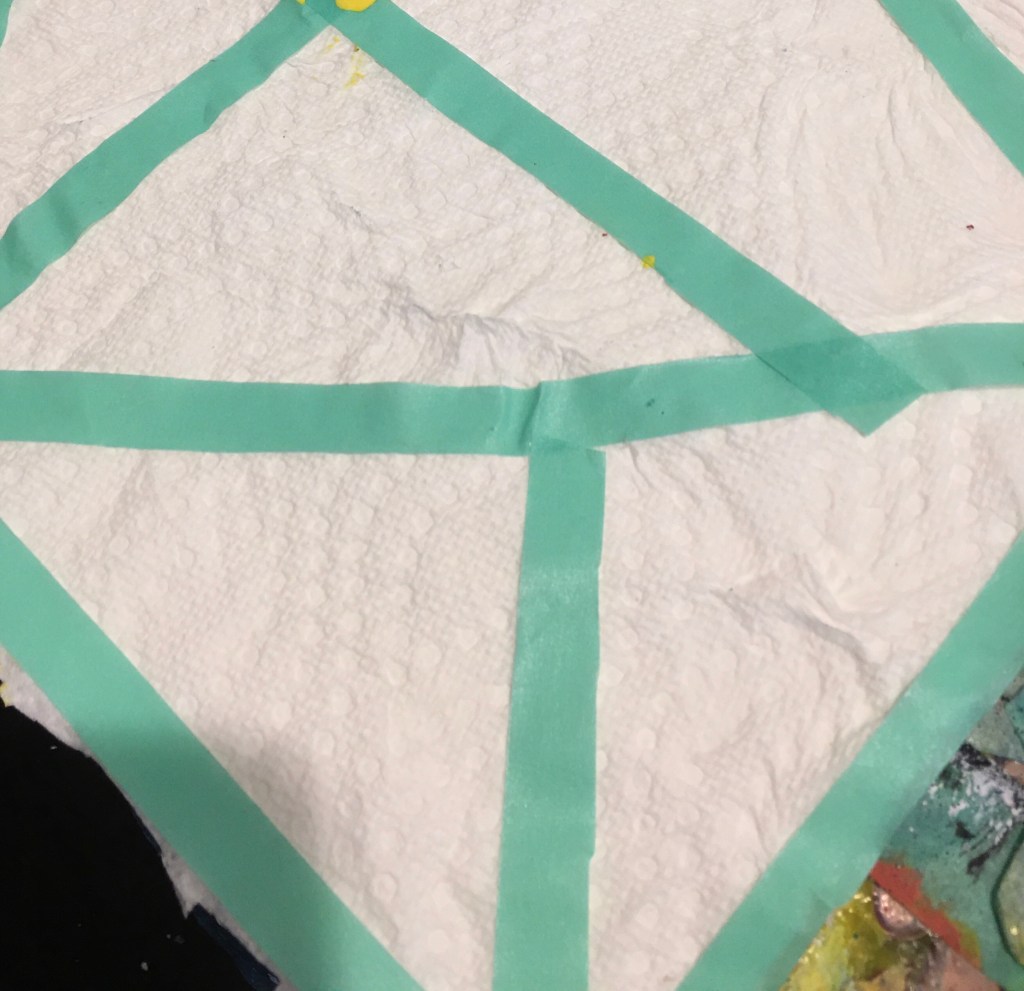
3. Now put the masking tape on the edges and in the patterns of your own choice. We did something like this one.
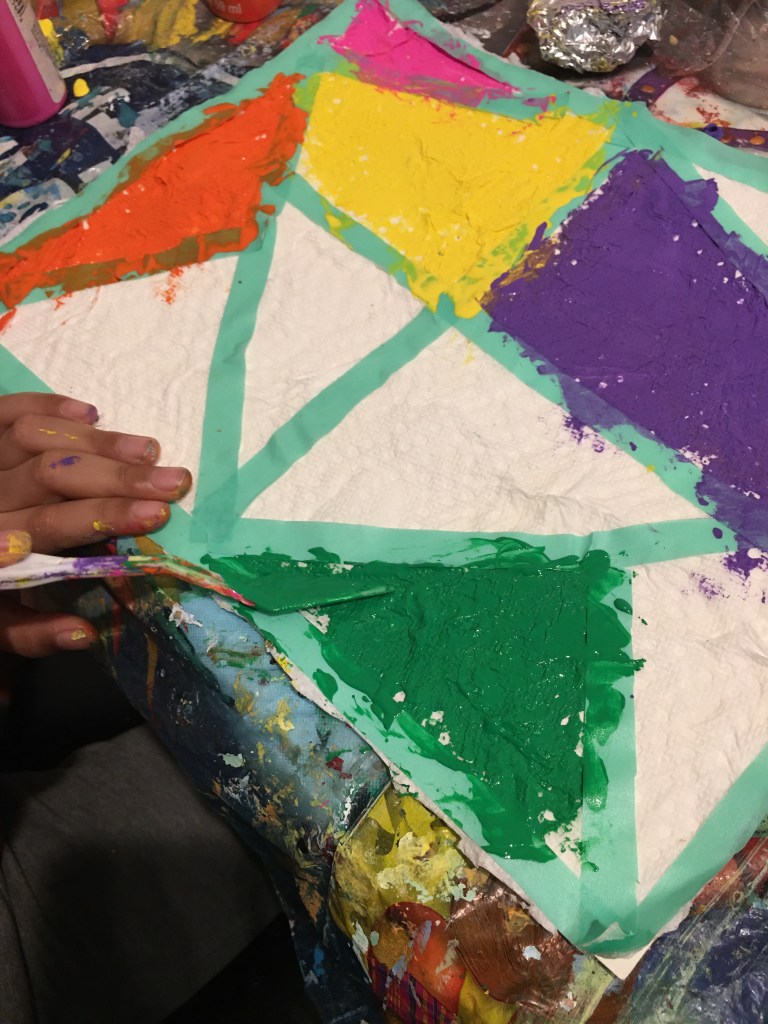
4. Now fill sections with acrylic paints using a palette knife, paint brush or any tool of your choice.
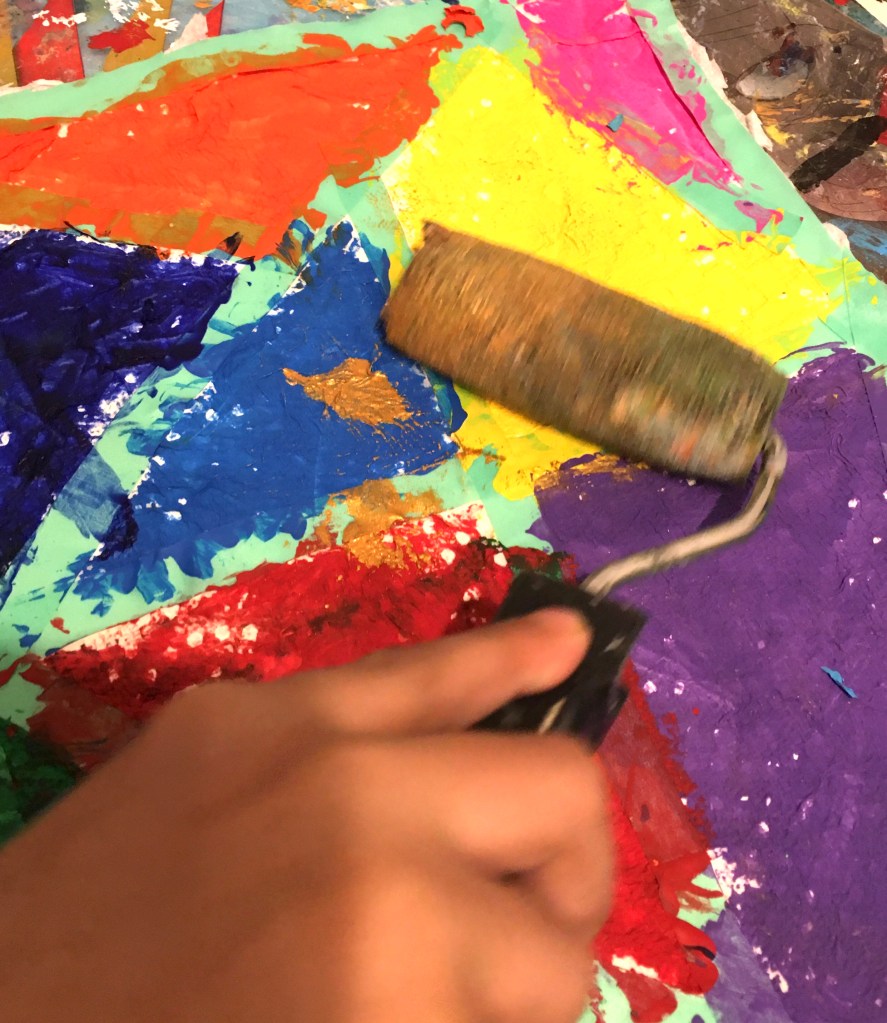
5. When the paper is completely dry, take golden acrylic paint on a pallete and dab a sponge roller onto it. Gently glide it over the paper to highlight the textured effect.
6. Now gently remove the tapes and you are done with your masterpeice. If the paints blots underneath the masking tapes, then you can always fix it with a white paint.
So often things occur or exist around us and we hardly realise the science behind it. Here, we discover some of the common phenomenons that are very much occuring or existing around us and demonstrate these through some simple experiments.
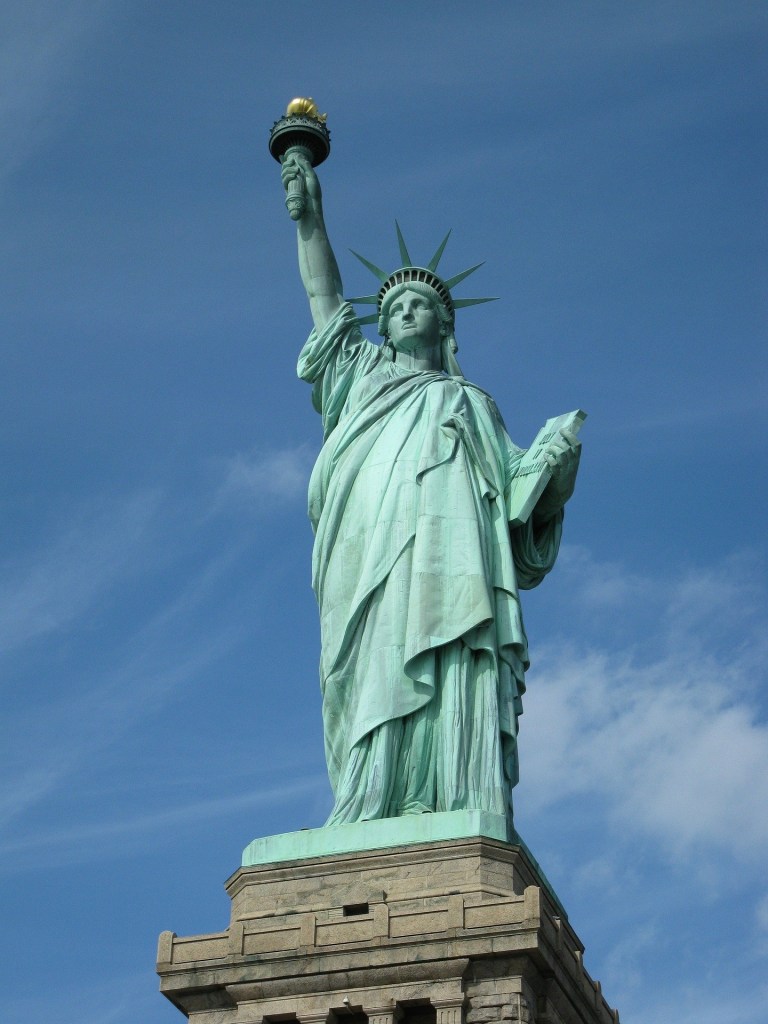
Why is the Statue of Liberty Green?
The Statue of Liberty’s exterior is made of copper, which has turned blue-green with age due to chemical reactions between metal and water. This process is known as patination and occurs with most copper when it’s placed outside.
Demonstration: turn the pennies green
What you need: Few dull pennies 4 tbsp vinegar 1 tbsp salt Tissues Water
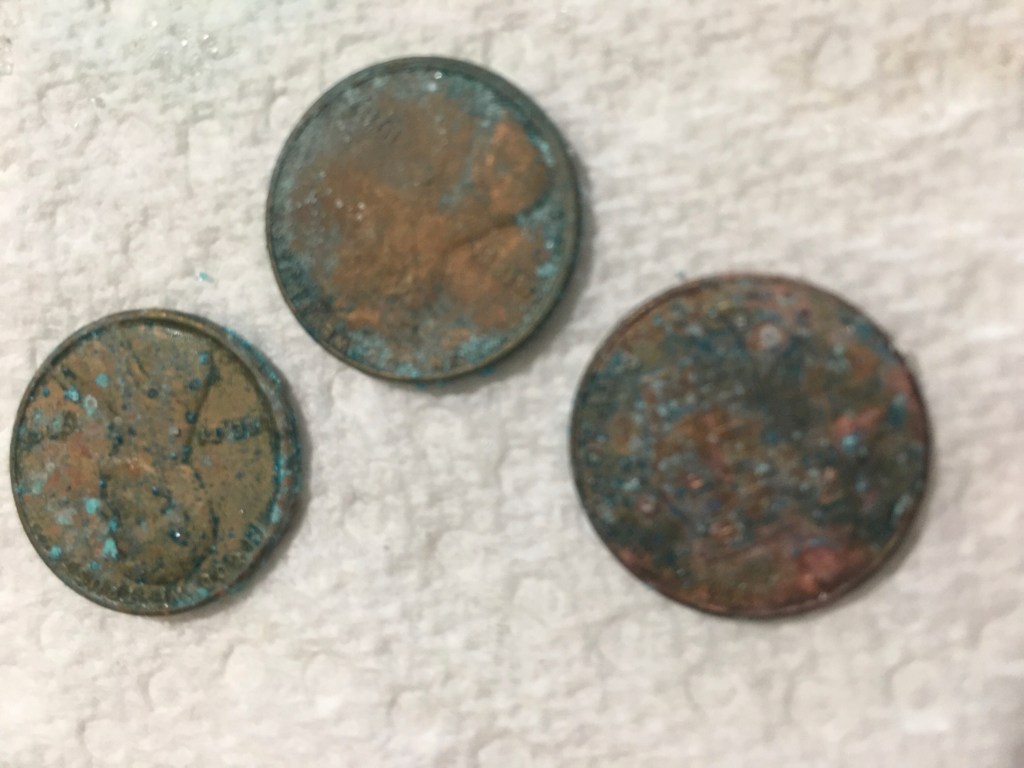
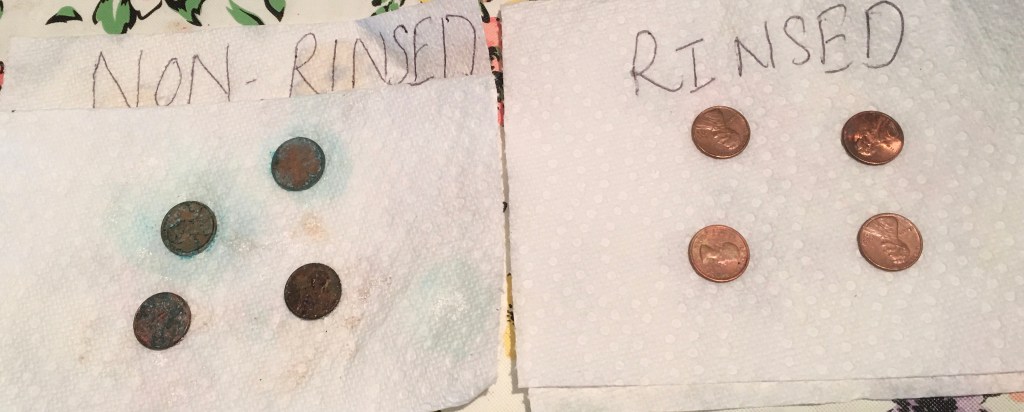
Directions: • Take a bowl of vinegar and salt and put a few pennies into that for around 10 minutes. • Take out the pennies and give few of them a good rinse and leave the remaining non-rinsed. • Now keep the rinsed ones on one tissue and the non-rinsed on a separate tissue. • The ones which have not been rinsed start to turn green in some time whereas the ones which have been rinsed remain clean.
Here, first the acid in vinegar reacts with the salt to get the copper clean and shiny. The pennies which are not rinsed with water and are just let to air dry with salt and vinegar, will turn green as a chemical called malachite forms on the pennies,just like the Statue of Liberty!
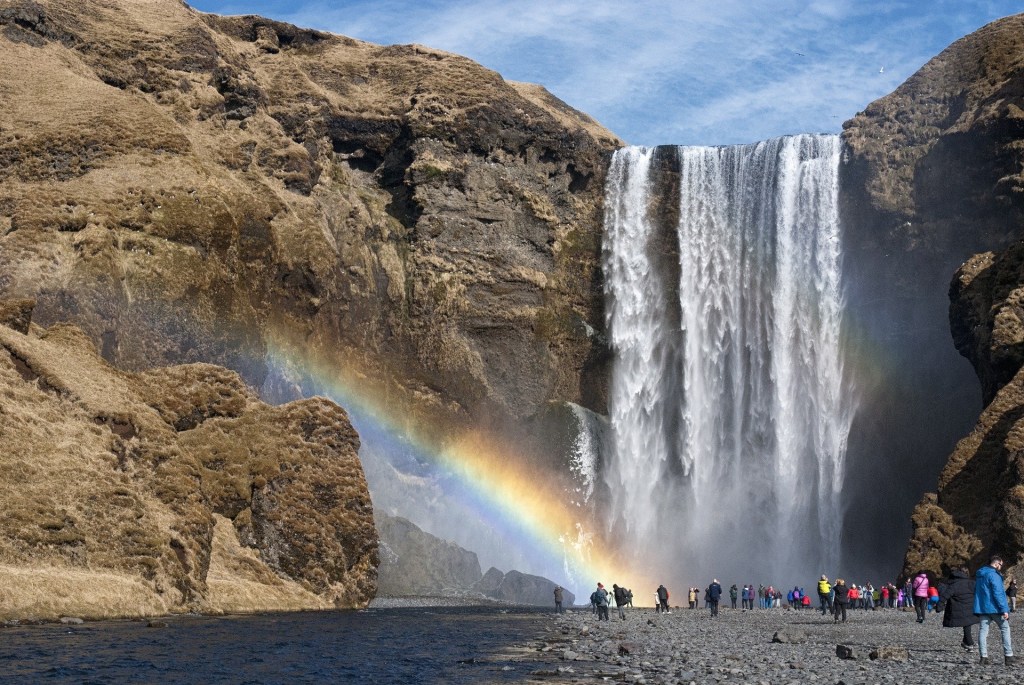
Why do rainbows appear near a waterfall?
As we know the white light is made of seven colours: red, orange, yellow, green, blue, indigo, and violet. When white light passes through water, each raindrop acts as prism. A prism is usually made of glass and is used to separate light into different colors.
How a prism works: When the light strikes travels from air to glass it bends. This bending is called refraction. The beam of light is separated into its different colors because each color bends at a slightly different angle. When the light comes out the other side of the glass, it is no longer a beam of white light. Instead, you see all the colors that make up white light in a rainbow shape.
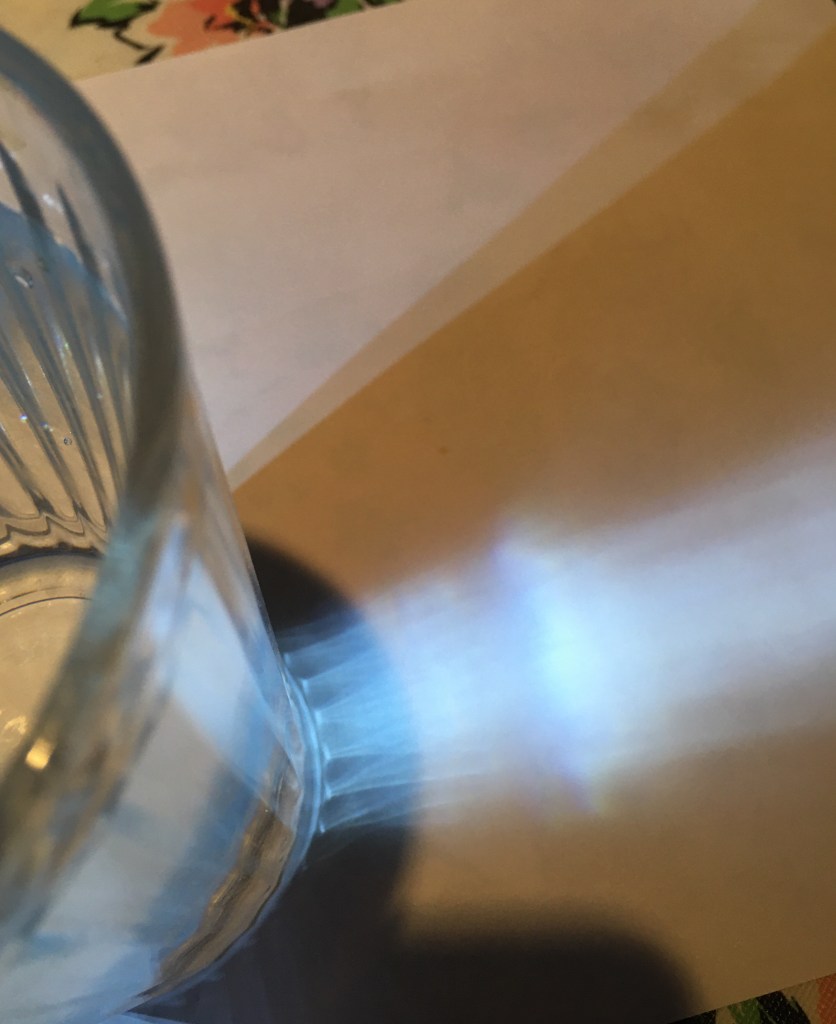
Demonstration: Make a rainbow from glass
What You Need: A clear glass Water A sheet of white paper or card stock Flashlight
Directions: • Fill the glass a little more than half-way full. • Set the glass on a surface and lay sheet of paper by the side of the glass. • Turn on the flashlight or (let the sunlight shine through) and hold it near the outside of the glass at the level of the water, pointing towards the paper. • Look for a rainbow pattern to appear on the white paper. You might need to adjust where you are shining the flashlight or where your paper is at in order to see the rainbow clearly.
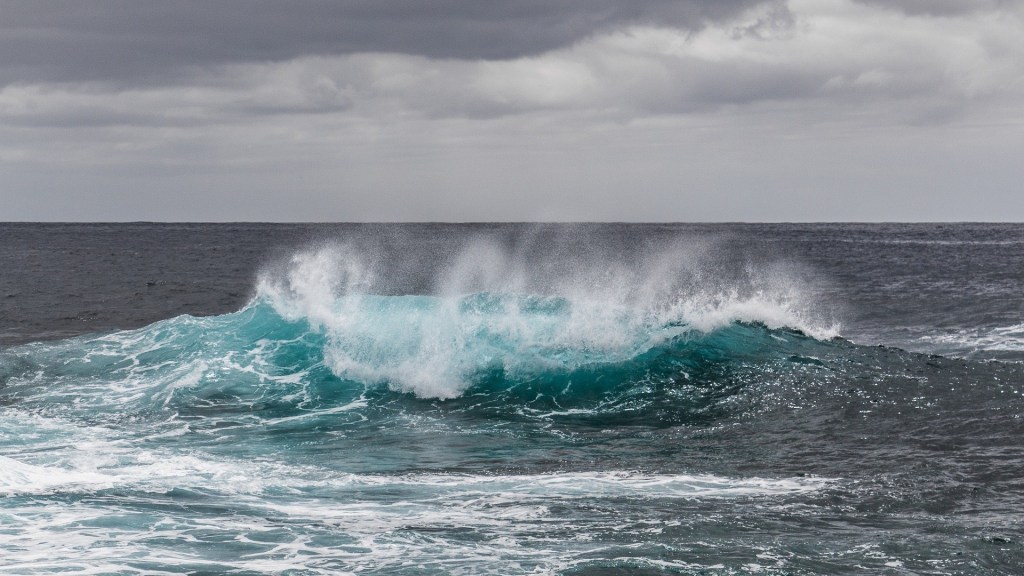
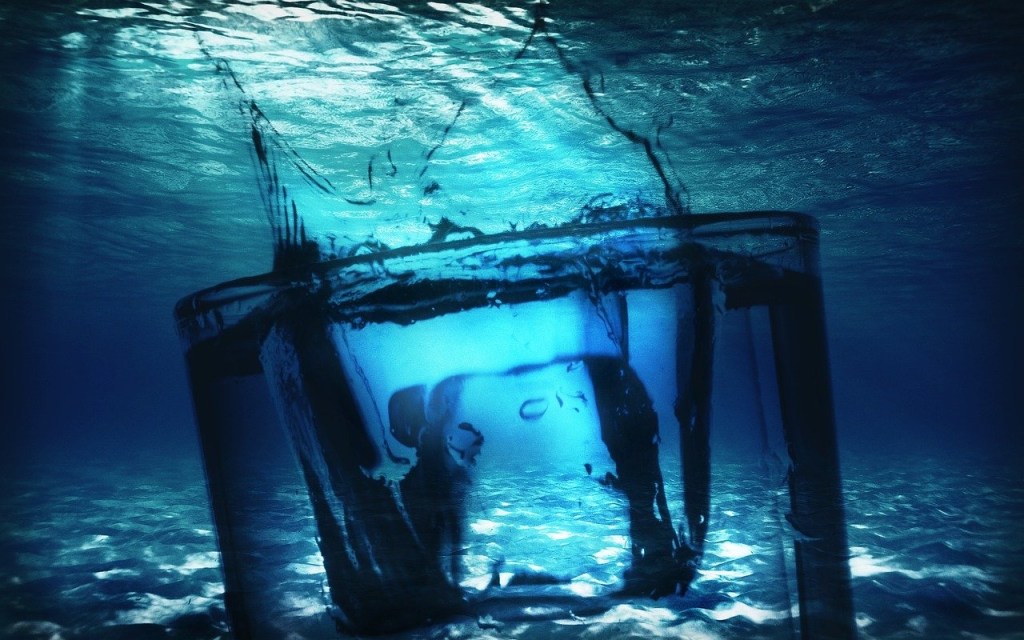
Why does Atlantic ocean and Pacific ocean meet but do not mix?
Strange but true. The Atlantic and the Pacific ocean meet at the southern most tip of the South America in the Gulf of Alaska showing two different colored bodies of water. The reason is simple. One is, sediment-rich freshwater from melted glaciers (light-coloured) and the other is salty ocean water (dark colored). The water density, temperature and salinity of these two waters make them difficult to mix.
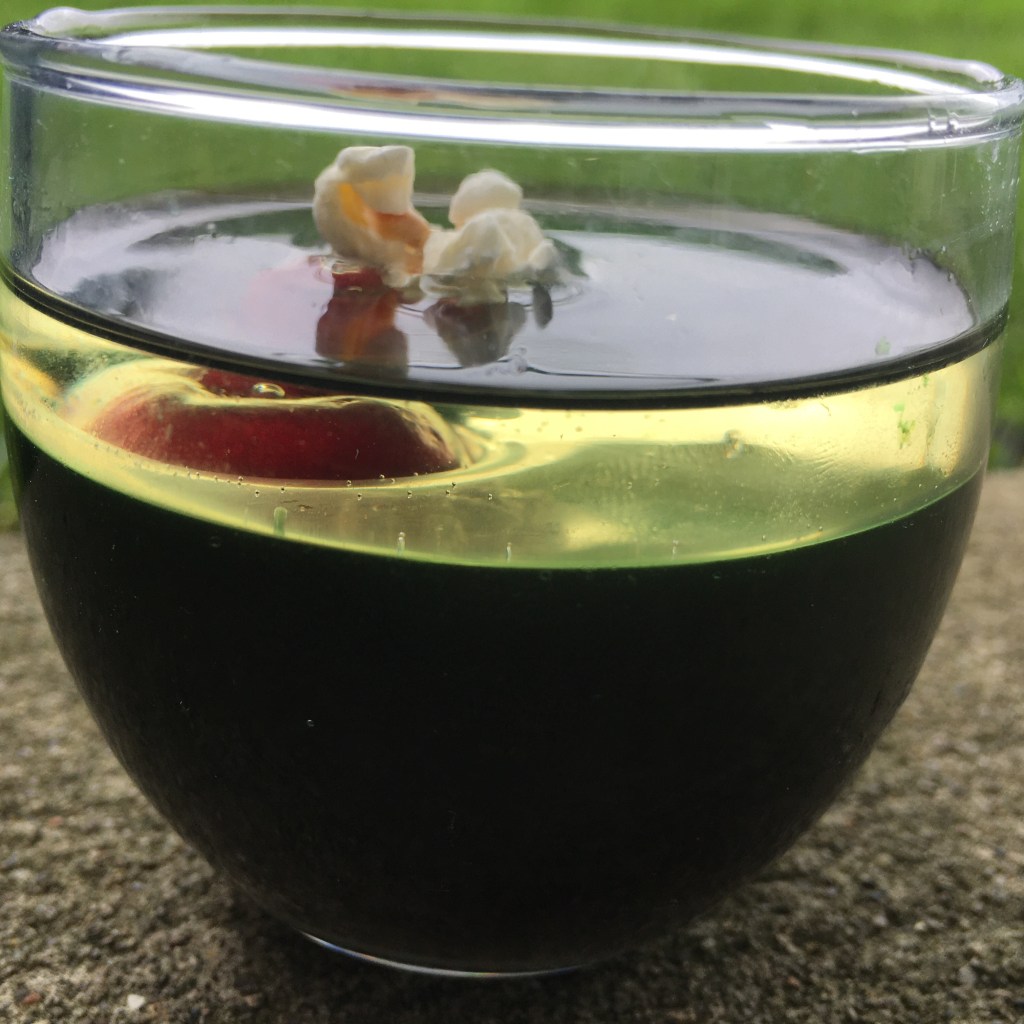
Demonstration: Add liquids of different densities
What you need: Syrup or honey Water Vegetable oil Food coloring A metal ring, cherry, popped corn (objects of different densities)
Directions:
• Add food color to water. • Add all the liquids. • Drop items of different densities.
All the liquids don’t mix owing to difference in their densities. The syrup settles at the bottom, water remains over it while oil floats on the top. When we drop items into them, the metal ring sinks, the cherry floats on water while the corn floats on oil which again demonstrates the difference in the densities of the liquids.
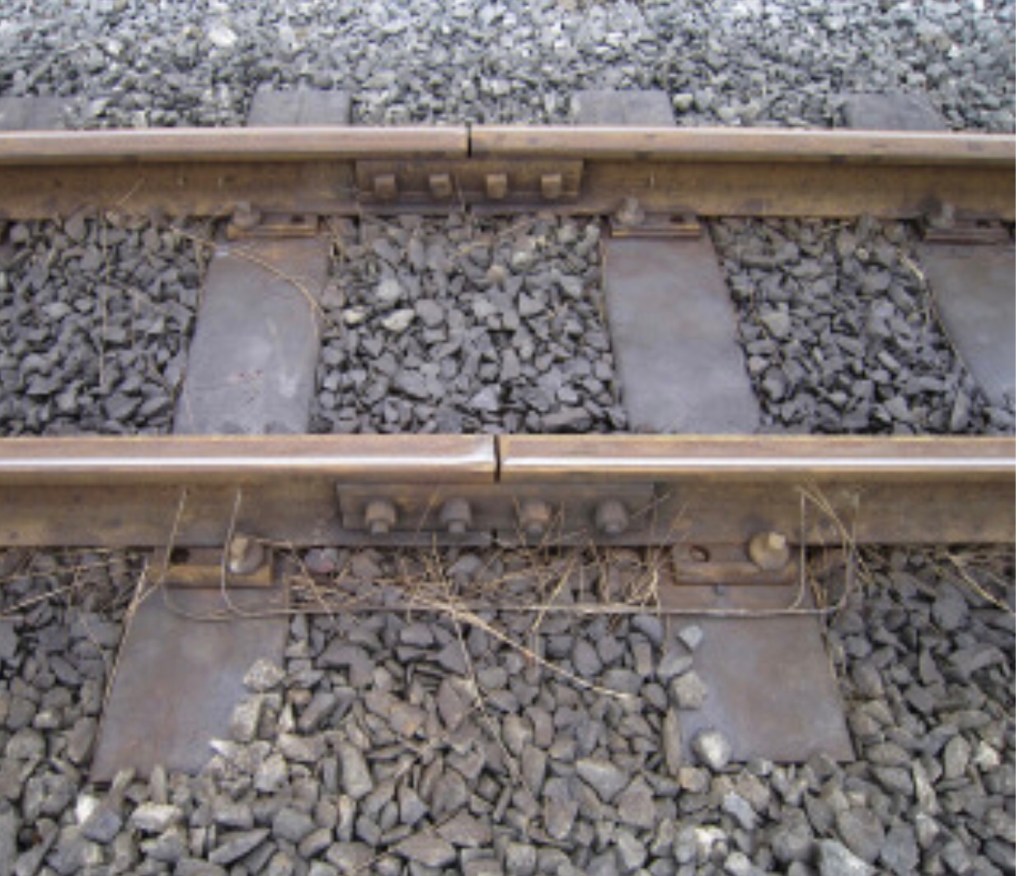
Why are small gaps left in between rail tracks?
Small gaps of a few millimeters, are provided between each section of the rail to allow room for the rails to expand due to the rise in temperature. As we know, all materials expand when heated and contract when cooled. The extent of expansion and contraction is quite low in most situations. However, since each section of the rail is very long, the expansion due to heating is significant. Hence, if the gaps are not provided, the rails will bend to accommodate the increased length, making the rail tracks prone to accidents and derailment of trains.
Demonstration: Dancing coin (thermal expansion)
What you need: One glass bottle with a narrow top (which can hold the coin) One quarter or a coin Water
Directions: • Put your bottle in the freezer for at least an hour, or until it is chilled. • Dip your finger in the water and run your finger over the top of the opening of the bottle to get it wet. • Now place your quarter on top, covering the opening. • Now place your hands firmly around the bottle and watch the magic!
The coin on the top of the bottle seems to dance due to thermal expansion of water. The heat from our hands transfers to the water on top of the lid. It expands and tries to escape making the coin move in an interesting way.
Why can’t we drink sea water?
When we drink normal water, water from our blood stream diffuses to our cells which have lesser concentration of water than the medium surrounding these that is blood. This mechanism of migration of water from the area of its lower concentration to the area of higher concentration through a semi permeable surface is known as osmosis.
However, when we drink salt water, the water concentration is higher on the inside of our cells than on the outside, water moves from the inside to the outside of the cells to correct the imbalance. This causes the cells to shrink.
So, in order to remove the extreme amount of sodium taken in by saltwater, we urinate more water than we actually drank. And dehydration sets in. Also, our kidneys have to work harder beyond their capacities which might cause our system to collapse.
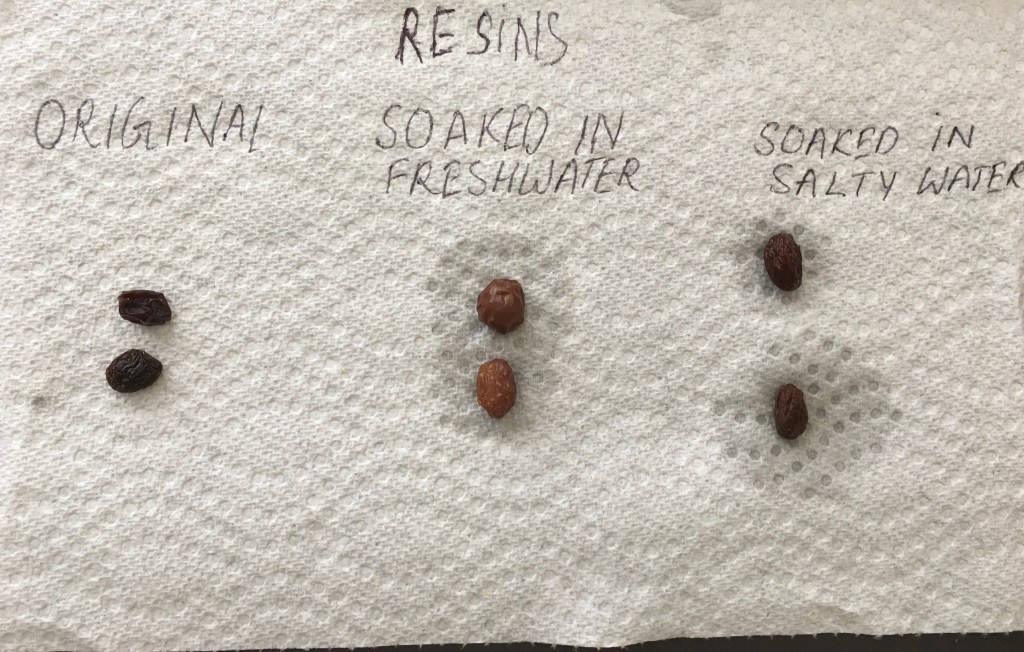
Demonstration: Resin osmosis
What you need: Some resins Plain water Salty water A tissue paper
Directions: • Soak some resins in plain water for a few hours. • Draw those resins and put them in salty water for a couple of hours.
Here, we see that the resins, on soaking in fresh water swelled up due to diffusion of water into them. Whereas, when we kept those resins in salty water, they shrank since the water diffused out. This all happens due to the process osmosis.
When it comes to kids’ favorite dessert, chocolates will always stand a winner. What better way of getting our kids moving than to make them make chocolate truffles of their own.
My little one chose his favorite white chocolate for the recipe. These truffles are simple and easy to make as they require no baking. So let’s get our kiddos hands tried on making their own creamy and yummy truffles.
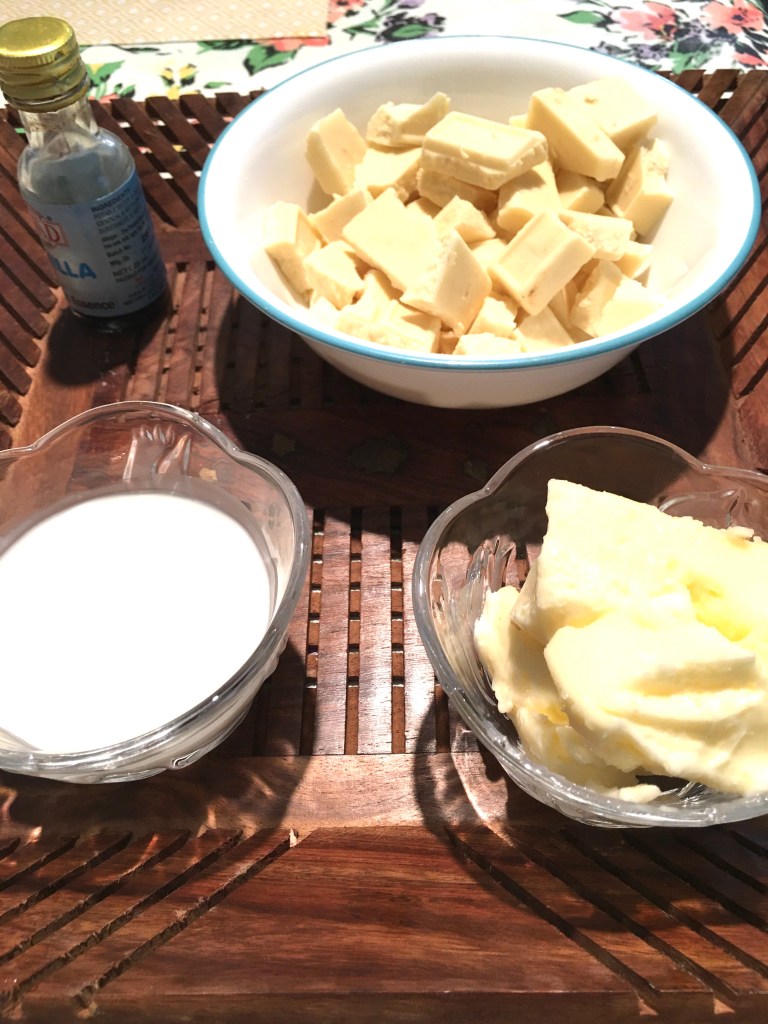
Ingredients 1 cup chopped white chocolate (or white chocolate chips) 1 tbsp butter (diced) 3 tbsp heavy cream ½ tsp vanilla essence Toppings 1 cup chocolate (melted)
Directions 1 Gather the ingredients.
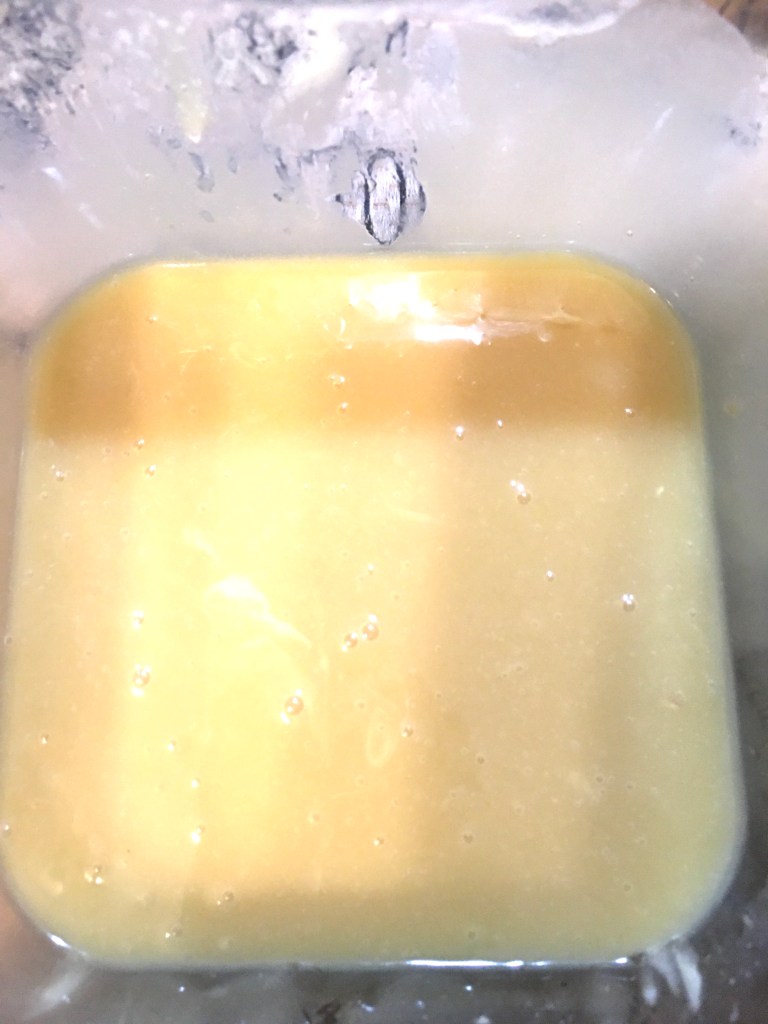
2 Add all the ingredients in a microwave safe bowl and heat them for 30 seconds or until they are nicely mixed. Make sure you don’t overheat.
3 Cover it and refrigerate it for at least 2 hours so that it is firm enough to scoop.
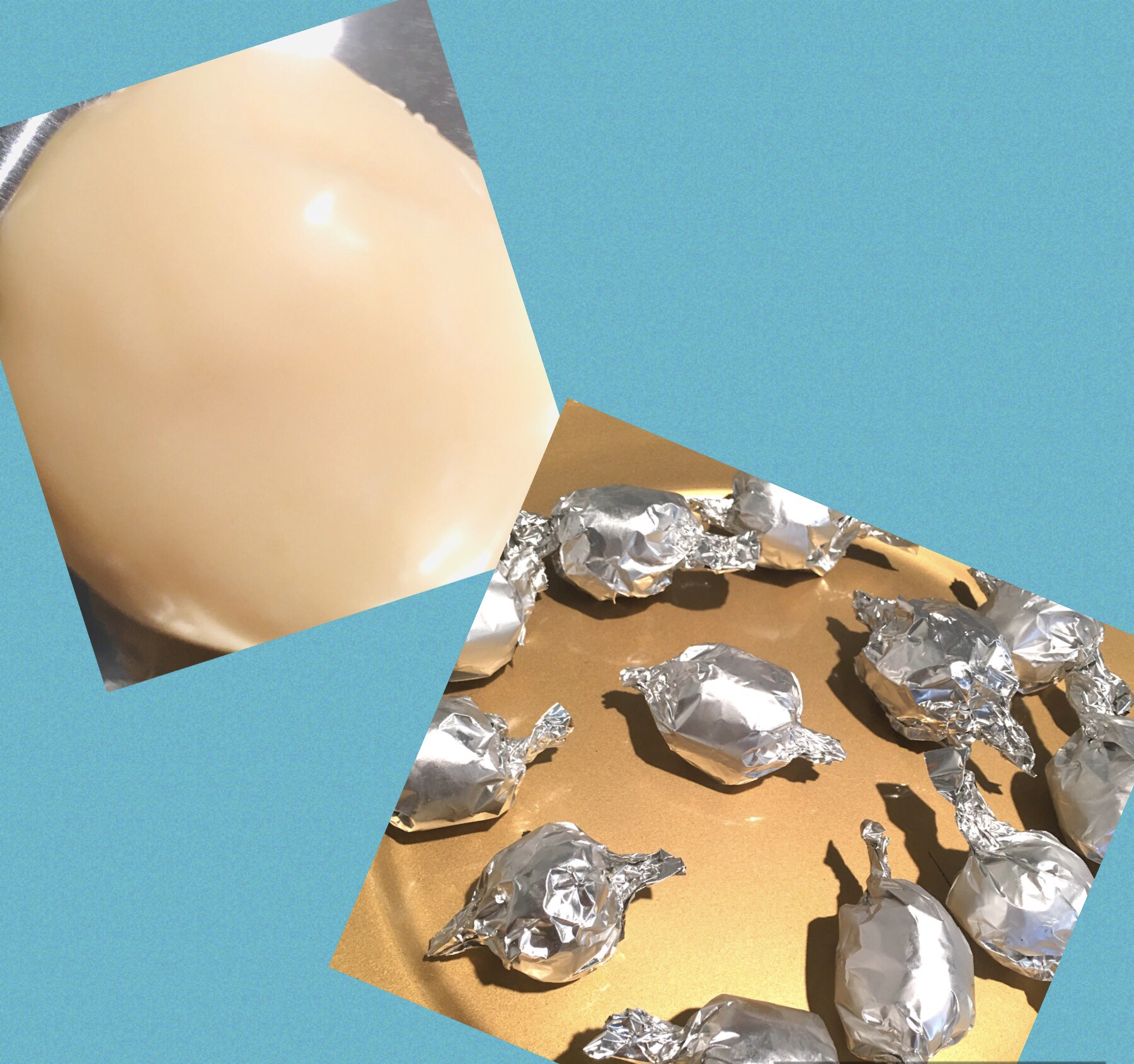
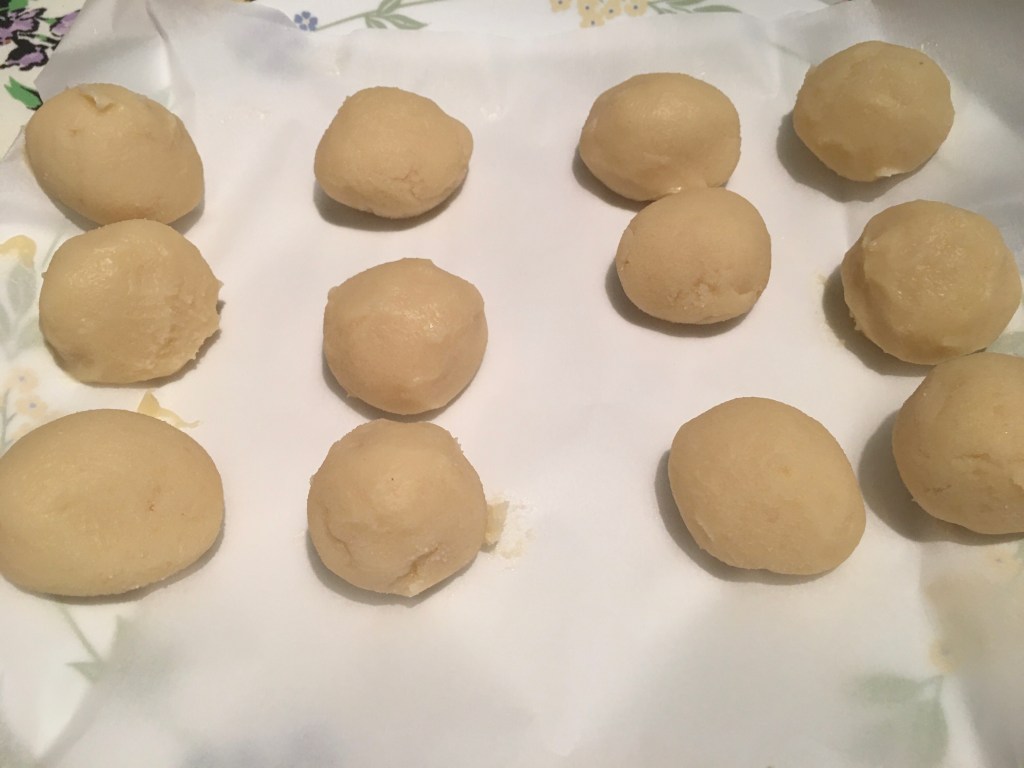
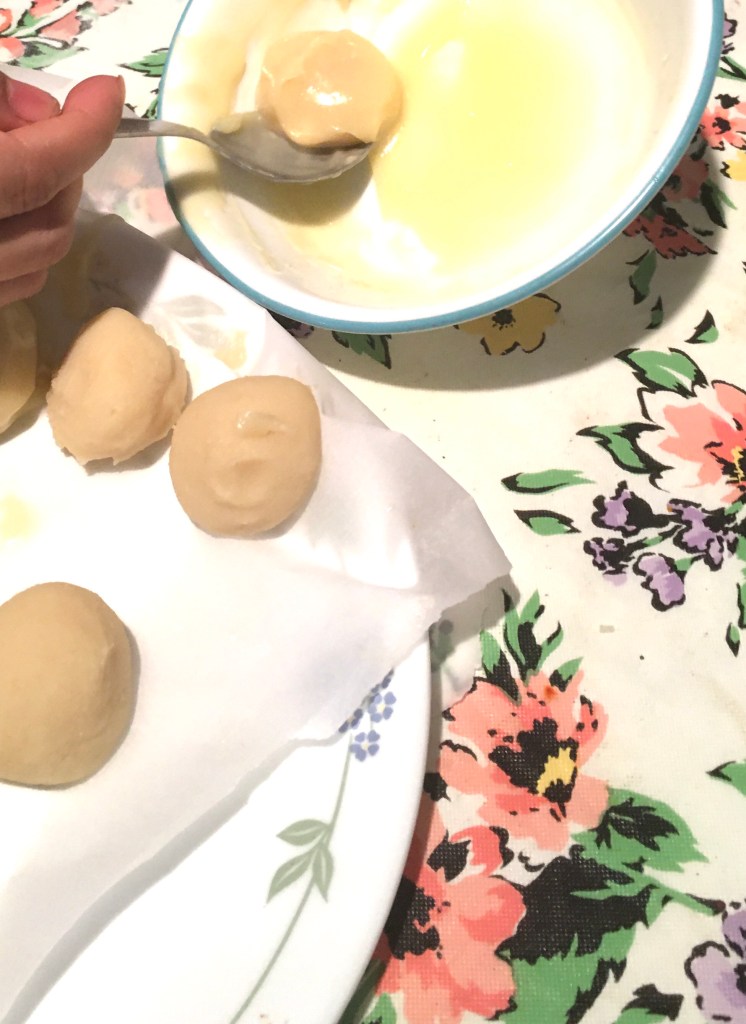
4 Use a small spoon or a candy scoop to make balls. Place it on a parchment paper and refrigerate it.
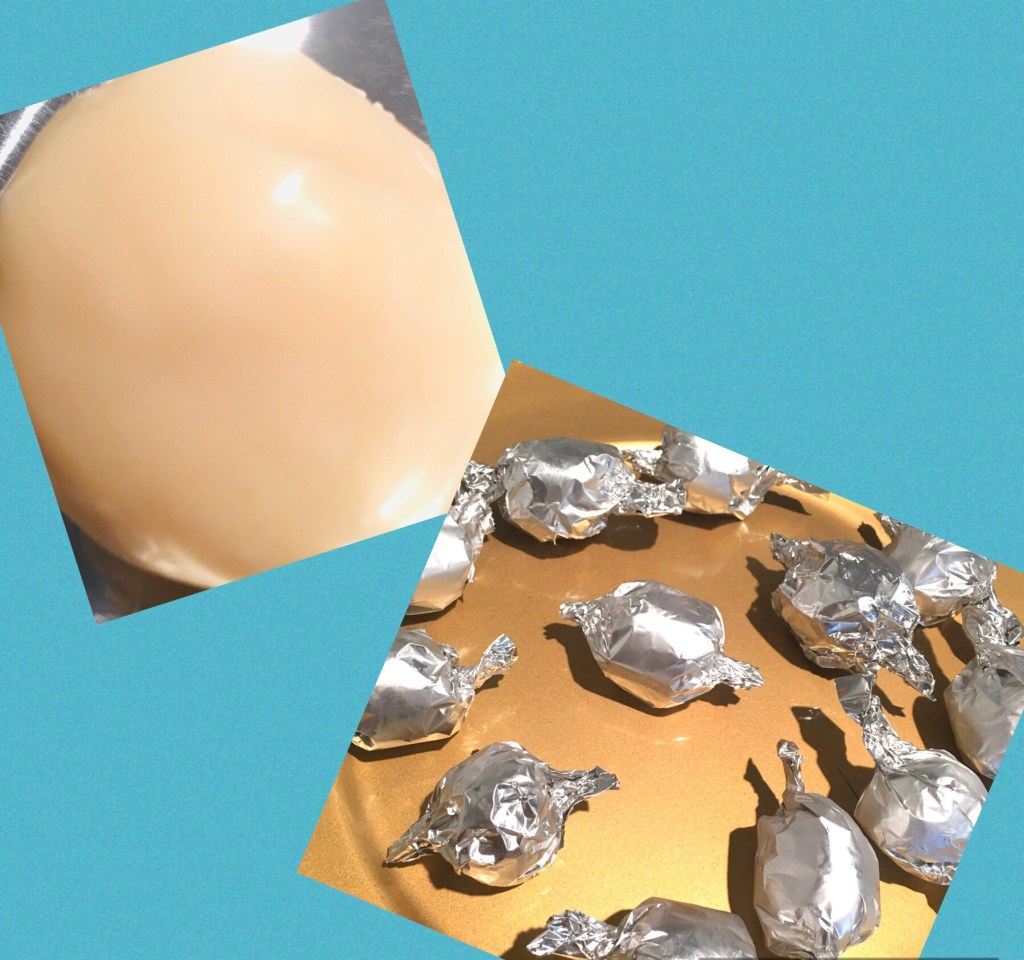
6 Melt the white chocolate or topping and dip each ball in this coating.
7 Keep in the fridge for the coating to set.
Enjoy!
Notes 1 If the mixture is too runny then add more chocolate. 2 You can add coating of your choice such as sprinkles, chopped nuts, shaved coconut, etc. Coat while the chocolate coating is still not set. 3 Work in batches specially if it’s a hot weather, keeping it in the refrigerator so that the mixture is easier to handle.





 Mom's Diary